How Weather Exposure Impacts Residential Stamped Concrete Surfaces
People searching for residential stamped concrete repair are often looking to restore or protect their surfaces from weather-related damage, and local contractors can provide expert solutions to address issues caused by weather exposure.
Understanding how weather exposure impacts residential stamped concrete surfaces is essential for property owners looking to maintain the beauty and durability of their outdoor spaces. This topic is particularly relevant for those living in areas with diverse weather patterns, where temperature fluctuations, moisture, and UV rays can influence the appearance and longevity of stamped concrete. Exploring this subject can help homeowners recognize early signs of wear and determine when professional repairs or resealing might be needed to preserve their investment.
Property owners interested in stamped concrete often seek practical solutions to keep their surfaces looking their best despite weather challenges. Local contractors who specialize in stamped concrete repair can provide valuable insights and services to address weather-related issues, such as cracking, fading, or surface deterioration. Continuing to read can offer helpful information on how weather exposure affects stamped concrete and how local experts can assist in maintaining or restoring its original appeal.
- Residential stamped concrete repair - homeowners noticing cracks or surface deterioration due to weather exposure should seek local contractors skilled in restoring stamped concrete surfaces.
- Stamped concrete surface restoration - when fading or surface spalling occurs from freeze-thaw cycles or moisture infiltration, local pros can evaluate and repair the damage.
- Concrete resurfacing services - areas showing signs of discoloration or surface erosion caused by weather conditions may require professional resurfacing by experienced service providers.
- Stamped concrete crack repair - persistent cracking from temperature fluctuations or water damage can be addressed effectively by local contractors specializing in stamped concrete fixes.
- Weather-related stamped concrete restoration - when weather exposure leads to surface pitting or pattern loss, local pros can perform repairs to restore the surface’s appearance and durability.
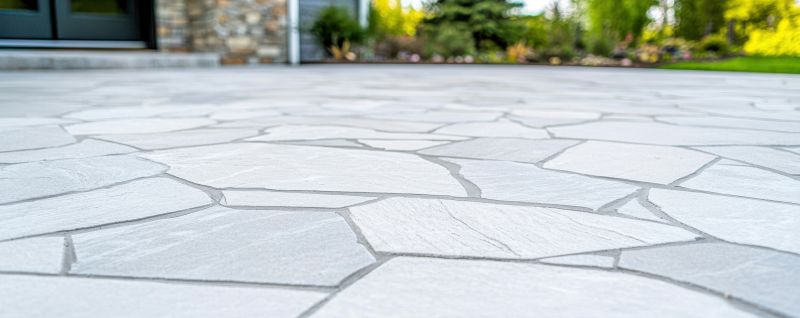
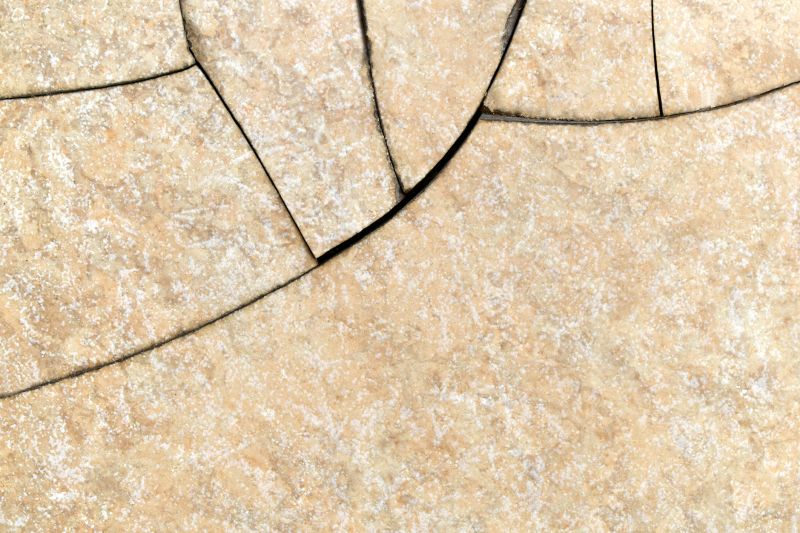
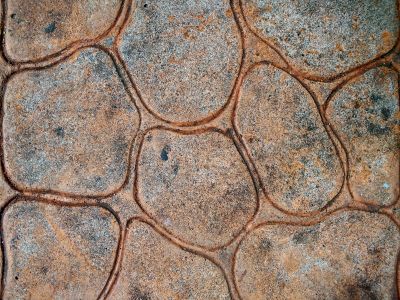
Understanding how weather exposure impacts residential stamped concrete surfaces is a common concern among homeowners planning outdoor upgrades or maintenance. When people search this topic, they often want to learn how different weather conditions-such as rain, snow, sunlight, or temperature fluctuations-can affect the appearance and durability of stamped concrete. This knowledge helps homeowners anticipate potential issues and make informed decisions about installation, sealing, or repairs. Many are especially interested in how weather-related factors might cause cracking, surface erosion, discoloration, or surface wear, which can compromise the visual appeal and longevity of their decorative concrete.
This topic is closely related to various projects and plans involving outdoor living spaces, driveways, patios, or walkways that feature stamped concrete finishes. Homeowners often seek guidance on how weather might influence ongoing maintenance or the need for repairs over time. For example, they may want to understand whether their stamped concrete will withstand harsh winters or hot summers without deteriorating. Additionally, those considering new stamped concrete installations may want to know how weather exposure could impact the long-term appearance and whether protective measures, like sealing or surface treatments, are necessary to preserve their investment.
The types of properties that typically come up in discussions about weather exposure and stamped concrete include single-family homes, especially those with large outdoor entertainment areas or driveways. Residential properties in regions with significant seasonal changes or high humidity are particularly relevant, as these conditions can accelerate wear or cause surface damage. Homeowners of newer or older homes alike may face concerns about how weathering could impact their decorative concrete surfaces. Local service providers who specialize in stamped concrete repair often assist these property owners by evaluating weather-related damage and recommending appropriate solutions to restore or protect the surfaces.
For homeowners exploring how weather exposure impacts their stamped concrete surfaces, understanding the connection to ongoing maintenance and repair is essential. Local contractors experienced in stamped concrete repair can assess weather-related issues such as surface erosion, cracking, or discoloration and suggest suitable corrective measures. Whether it involves resealing, patching, or replacing damaged sections, these professionals help ensure that stamped concrete retains its aesthetic appeal and structural integrity despite weather challenges. Connecting with local experts can provide the insights needed to keep outdoor decorative surfaces in top condition, regardless of weather conditions.
Patio and walkway installations - local contractors skilled in stamped concrete can help design and install durable surfaces that withstand weather-related wear and tear.
Driveway resurfacing projects - professionals experienced in stamped concrete repair can address weather-induced damage to preserve the appearance and functionality of driveways.
Pool deck finishing - service providers familiar with weather impacts can ensure stamped concrete around pools remains slip-resistant and resilient over time.
Landscape edging and borders - local experts can install weather-resistant stamped concrete features that resist cracking and fading caused by exposure to the elements.
Decorative concrete overlays - specialists can apply weather-tolerant overlays to refresh surfaces affected by moisture or temperature fluctuations.
Garage floor coatings - service providers can enhance durability and weather resistance of stamped concrete garage floors through specialized coating applications.
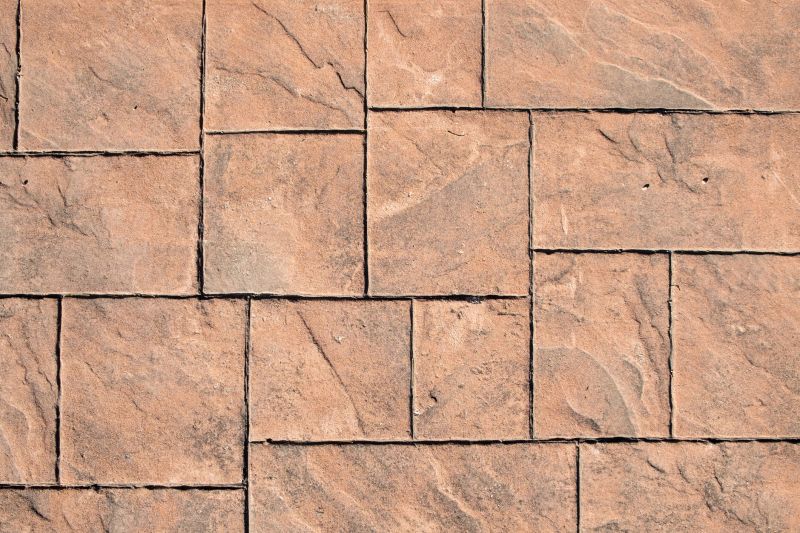
When comparing service providers for residential stamped concrete repair, it’s important to evaluate their experience with similar projects, particularly those involving weather exposure factors. Contractors who have handled repairs on surfaces exposed to varying weather conditions will better understand the challenges posed by temperature fluctuations, moisture, and other environmental elements. Asking about their past work with stamped concrete surfaces in your area can provide insight into their familiarity with local weather impacts and their ability to address issues like cracking, fading, or surface deterioration effectively.
Clear written expectations are essential when selecting a contractor to ensure that both parties understand the scope of work, materials used, and the repair process. A reputable service provider should be able to communicate how weather exposure may influence the durability and appearance of stamped concrete surfaces over time, and what steps are necessary to mitigate those effects. Having detailed, transparent information helps prevent misunderstandings and ensures that the repair work aligns with your needs and the specific weather conditions your property experiences.
Reputable references and strong communication are key indicators of a dependable contractor. Local contractors with positive feedback from previous clients often demonstrate their ability to manage weather-related challenges and deliver quality results. Good communication throughout the process allows for questions about weather impact considerations and repair options, fostering confidence in the service provider’s expertise. Ultimately, choosing a contractor who is responsive and transparent can make a significant difference in achieving a durable, weather-resistant stamped concrete surface that maintains its appearance over time.
Property owners often search for how weather exposure impacts residential stamped concrete surfaces when they are planning practical projects around their homes and businesses. Local pros provide Residential Stamped Concrete Repair services for everyday jobs and straightforward project options.
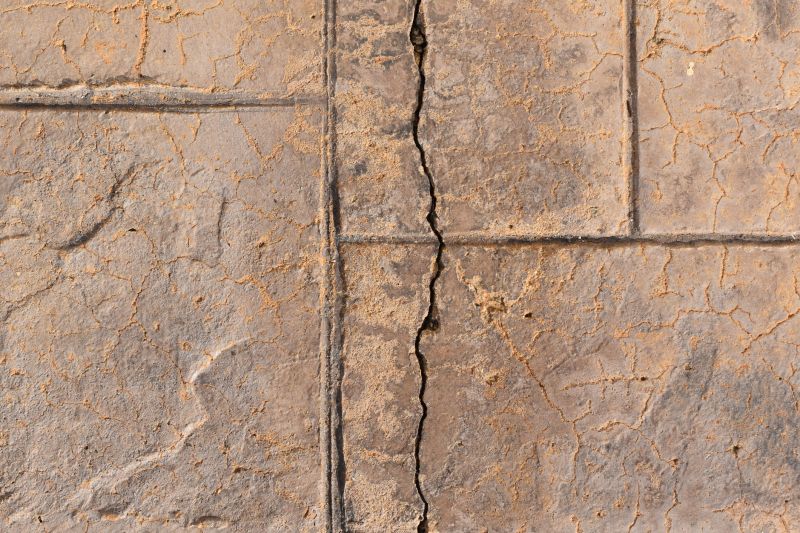
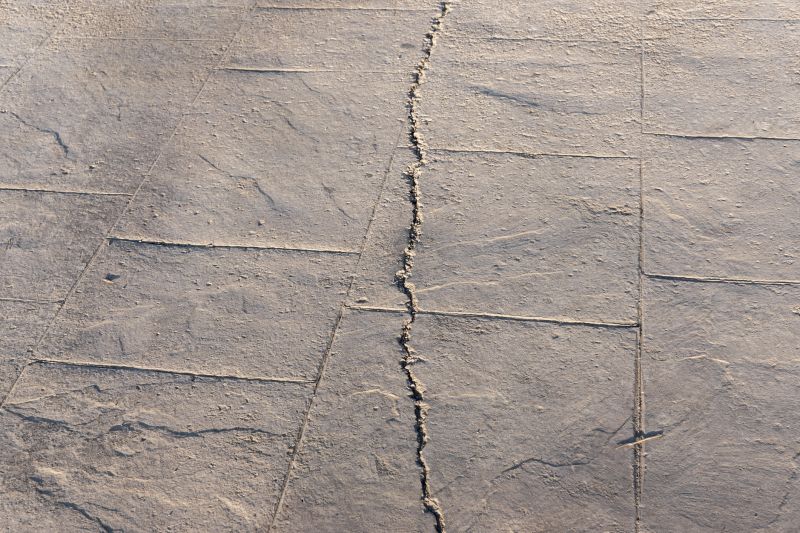
Weather exposure can significantly impact residential stamped concrete surfaces, especially in areas prone to temperature fluctuations, rain, snow, or direct sunlight. Over time, these elements can cause the surface to develop cracks, spalling, or uneven coloration, which may diminish the aesthetic appeal and structural integrity of the stamped concrete. Property owners noticing signs of weather-related wear often seek the expertise of local contractors who specialize in stamped concrete repair to restore the surface’s appearance and durability.
Understanding how weather exposure affects stamped concrete can help homeowners decide when repairs are necessary to prevent further damage. Local service providers are equipped to assess the extent of weather-related impacts and perform repairs that address issues like surface erosion or color fading. Consulting experienced contractors ensures that stamped concrete surfaces are properly restored, maintaining their visual appeal and longevity despite ongoing weather challenges.
How does weather exposure affect the appearance of residential stamped concrete surfaces? Weather exposure can lead to fading, discoloration, or surface erosion in stamped concrete, impacting its visual appeal over time. Local contractors can assess and recommend repairs to restore the surface’s original look.
Can weather conditions cause damage to stamped concrete surfaces? Yes, extreme weather such as freezing temperatures, heavy rain, or intense sunlight can cause cracking, spalling, or surface deterioration. Experienced service providers can address these issues through appropriate repair techniques.
What types of weather-related damage are common on stamped concrete surfaces? Common weather-related damages include cracking from freeze-thaw cycles, surface pitting from heavy rain, and color fading due to prolonged sun exposure. Local pros can evaluate and repair these specific issues.
How can weather exposure impact the longevity of stamped concrete surfaces? Continuous weather exposure can weaken the surface, leading to premature failure or the need for repairs. Local contractors can help maintain and restore the integrity of stamped concrete affected by weather.
What repair options are available for weather-damaged stamped concrete surfaces? Repairs may include surface patching, sealing, or resurfacing to address weather-related damage. Service providers can recommend the most suitable solutions based on the extent of weather exposure impacts.
Assess weather-related damage - property owners can evaluate how weather exposure has affected their stamped concrete surfaces to determine if repairs are needed.
Plan for protective measures - property owners might consider applying sealers or coverings to shield stamped concrete from harsh weather conditions.
Schedule repairs after weather events - property owners can arrange for local contractors to restore stamped concrete surfaces damaged by exposure to rain, snow, or extreme heat.
Implement ongoing maintenance strategies - property owners may develop a routine to regularly inspect and maintain stamped concrete to prevent weather-related deterioration.
If you are thinking about how weather exposure impacts residential stamped concrete surfaces for a property, this guide is meant to help you understand this topic, the typical project types, and how different options might fit your plans.
When you are ready, you can use the quote form on this page to share a few details about your project. From there, local pros can review the basics and follow up with options that match what you have in mind.